Trusted UK Dissertation Writing Service for Masters and PhD Students

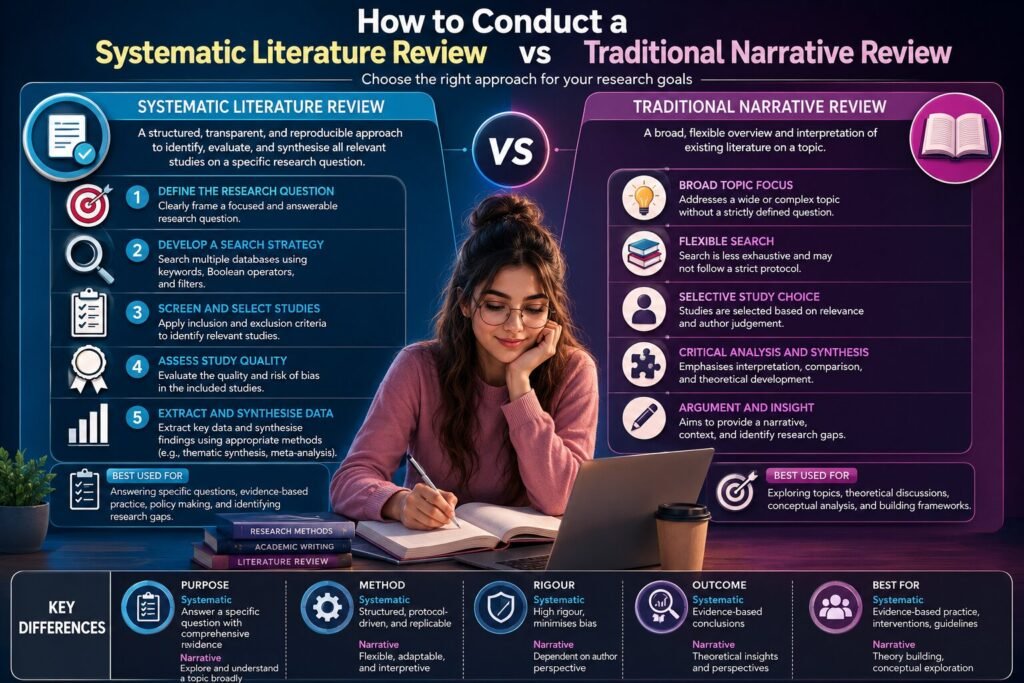
Writing a dissertation is one of the most demanding stages of academic life. For many students in the United Kingdom, it is the project that determines final grades, academic confidence, and future career opportunities. Whether you are completing a master’s degree or a PhD, the pressure can be intense. Deadlines become tighter, research becomes more detailed, and expectations become much higher. This is why many students look for a UK Dissertation Writing Service that offers reliable academic guidance, structured support, and professional expertise. For expert dissertation help students visit this site Expert Dissertation Help for Masters Students in the United Kingdom. A dissertation is not simply a long essay. It is a complex academic project that requires critical thinking, research design, data analysis, literature evaluation, and clear academic writing. Many students have strong ideas but struggle to organise those ideas into a well-developed academic document. Others balance university with part-time work, family responsibilities, or professional commitments. In such situations, a trusted UK Dissertation Writing Service becomes a valuable academic resource. Why Dissertation Writing Feels Challenging A dissertation demands much more than subject knowledge. It requires discipline, planning, and the ability to maintain academic quality over several months. Students often begin with enthusiasm, but many quickly discover the hidden challenges involved. Choosing a suitable topic is often the first hurdle. A topic must be original enough to demonstrate academic value while also being realistic enough to complete within available time and resources. Once the topic is approved, students must gather sources, evaluate previous research, identify gaps, and create a clear research question. The next stage involves methodology. Many students find this difficult because it requires practical understanding of research design, participant selection, data collection, ethics, and analytical tools. Even after collecting data, students must interpret results critically and present findings with clarity. This is why a professional UK Dissertation Writing Service helps students approach each stage with confidence and structure. 50 unique ideas for UK students 50 Unique Dissertation Topic Ideas for Business and Management Students. Why Masters and PhD Students Need Professional Support Masters and PhD dissertations differ in complexity, but both require high academic standards. Masters students are often expected to demonstrate critical understanding, independent analysis, and practical application of research. PhD candidates must go further by making an original contribution to their field. For postgraduate students, academic pressure is often combined with personal and professional responsibilities. Many international students also face language barriers, unfamiliar referencing styles, and different university expectations. A trusted UK Dissertation Writing Service can help reduce this pressure by offering specialist support in planning, structure, research development, and academic presentation. Professional assistance does not replace your learning. Instead, it strengthens your approach, improves your confidence, and helps you submit work that reflects your true academic ability. What Makes a Trusted Dissertation Service Different Not every academic service delivers genuine value. A trusted service is defined by quality, transparency, and subject expertise. The first sign of reliability is experienced academic writers. Qualified experts understand university expectations, academic tone, research methodology, and discipline-specific requirements. The second sign is personalised support. Every dissertation is different. A trustworthy UK Dissertation Writing Service does not use templates or generic content. It develops support based on the student’s topic, course level, and university guidelines. The third sign is originality. Authentic academic work must be unique, well researched, and carefully referenced. Plagiarism can seriously damage academic credibility, which is why originality is essential. Another important factor is communication. Students often need updates, revisions, or clarification. Reliable services provide clear communication so students remain informed throughout the process. Topic Selection and Proposal Development The foundation of a successful dissertation begins with selecting the right topic. This stage shapes the entire research journey. Many students choose topics that are too broad, too narrow, or difficult to research. A professional UK Dissertation Writing Service helps students refine their ideas into focused, practical, and academically relevant research questions. Proposal development is equally important. Universities often require a strong proposal before dissertation approval. A good proposal usually includes background context, problem statement, aims, objectives, research questions, methodology, and expected contribution. A powerful proposal demonstrates direction and academic purpose. It also creates a road map for the entire dissertation process. Literature Review: Building Academic Depth The literature review is one of the most important parts of any dissertation. It shows that the student understands the academic conversation surrounding the topic. Many students make the mistake of simply summarising sources. A strong literature review goes beyond summary. It compares arguments, identifies patterns, evaluates strengths and weaknesses, and highlights research gaps. A professional UK Dissertation Writing Service can help students organise literature into clear themes, improve critical analysis, and build a persuasive academic foundation. For both masters and PhD students, the literature review establishes credibility. It demonstrates intellectual depth and creates the basis for original research. Methodology: Turning Ideas into Research Methodology often feels intimidating because it requires practical academic decision-making. Students must decide whether to use qualitative, quantitative, or mixed methods. They must explain why those methods suit the research aims. They also need to define participants, data collection tools, ethical considerations, and analytical procedures. A reliable UK Dissertation Writing Service provides valuable guidance during this stage. It helps students understand research design and explains how to justify methodological choices academically. Clear methodology improves the quality of the entire dissertation because it shows how conclusions are built on credible evidence. Data Analysis and Interpretation Collecting data is only one part of the research journey. The real academic value comes from interpretation. Many students struggle when moving from raw data to meaningful academic discussion. They may have survey results, interview responses, or statistical outputs but feel uncertain about how to connect those findings to research objectives. A professional UK Dissertation Writing Service helps transform complex information into structured analysis. It supports logical interpretation, clear presentation, and critical discussion. For quantitative projects, this may include statistical explanation and interpretation of patterns. For qualitative research, it may involve thematic coding, conceptual
Complete Masters Dissertation Writing Support from Start to End

A master’s dissertation is one of the most important academic milestones in postgraduate education. It is more than a lengthy assignment—it is a rigorous test of critical thinking, independent research, academic discipline, and subject knowledge. For many students, the process can feel exciting at first but quickly becomes demanding when deadlines, complex research methods, literature reviews, data analysis, and academic standards begin to pile up. That is why masters dissertation writing support has become an essential part of postgraduate success. Students across UK universities often balance lectures, part-time work, family commitments, and other responsibilities while attempting to produce a high-quality dissertation. The pressure can be intense. Choosing the right topic, conducting reliable research, structuring chapters, and presenting arguments in a scholarly way all require time, expertise, and careful planning. With complete masters dissertation writing support from start to end, students can manage the process with greater confidence, clarity, and control. Understanding the Importance of a Master’s Dissertation A dissertation is not simply another academic paper. It demonstrates your ability to investigate a topic independently, analyse evidence critically, and produce original academic work. Universities expect postgraduate students to show depth of understanding, strong methodology, logical argumentation, and academic integrity. Because the dissertation often carries a significant percentage of the final degree classification, it can directly affect your academic standing, future employment opportunities, and progression into research or doctoral study. This is why professional guidance in masters dissertation writing can make a meaningful difference. The dissertation journey may seem complex, but when broken into clear stages, it becomes manageable. Each stage requires attention, planning, and precision. From topic selection to final proofreading, every part contributes to the final result. Students get information about dissertation How to Start Writing a Dissertation for the First Time: A Complete Step-by-Step Guide. Starting with the Right Topic The first and often most challenging stage is selecting the right dissertation topic. Many students struggle because they choose subjects that are either too broad, too narrow, or lacking sufficient research material. A strong dissertation topic should: match your academic interests fit your degree programme offer enough academic sources be practical within your available time provide room for analysis and critical discussion The quality of your topic shapes the entire dissertation. Strong masters dissertation writing begins with a focused research area that is relevant, original, and academically valuable. For example, instead of choosing a broad subject such as digital marketing, narrowing it to “The impact of influencer marketing on consumer trust among UK university students” creates a sharper research direction. When students receive early support in topic development, they often save significant time later in the process. Students read about Impact of Artificial Intelligence on Dissertation Writing Developing a Clear Research Proposal After selecting a topic, the next step is preparing the research proposal. This document explains what you intend to study, why the topic matters, and how you plan to conduct the research. A strong proposal typically includes: background of the study research problem aims and objectives research questions preliminary literature proposed methodology The proposal is crucial because it creates a clear academic road map. Good masters dissertation writing depends on having a precise plan from the beginning. Many students make the mistake of writing vague objectives. For example, “to study consumer behaviour” is too broad. A sharper objective would be “to examine how social media reviews influence purchasing decisions among postgraduate students in the UK.” Clear objectives keep the entire project focused. Conducting Effective Literature Review The literature review is often one of the longest and most demanding chapters. It is not merely a summary of previous studies. Instead, it critically evaluates existing academic work and identifies gaps that your research aims to address. An effective literature review should: discuss major theories compare academic viewpoints identify patterns and contradictions highlight research gaps connect previous studies to your research question This stage requires strong reading, note-taking, and analytical skills. High-quality masters dissertation writing depends on building a strong theoretical foundation. Students often collect too many sources without organising them. A better strategy is to group sources by themes, concepts, or debates. This creates stronger structure and more persuasive academic discussion. For example, if researching employee motivation, literature could be organised under intrinsic motivation, extrinsic motivation, leadership influence, and workplace culture. Choosing the Right Research Methodology The methodology chapter explains how the research was conducted. It demonstrates academic rigour and allows readers to evaluate the credibility of your findings. In masters dissertation writing, methodology usually covers: research philosophy research approach research design sampling method data collection ethical considerations data analysis method The choice between qualitative, quantitative, or mixed methods depends on your research objectives. Qualitative research Useful for exploring opinions, behaviours, and experiences. Methods include interviews, focus groups, and thematic analysis. Quantitative research Useful for measuring patterns and relationships using surveys, numerical data, and statistical analysis. Mixed methods Combines both approaches for deeper understanding. A common mistake is choosing methods that are too ambitious for the available time. Strong research design should be realistic as well as academically appropriate. Professional masters dissertation writing guidance helps students choose practical and defensible methodology. Collecting Reliable Data Data collection is where the research moves from planning to execution. This stage requires accuracy, ethical awareness, and careful organisation. If using primary research, students may collect data through: online surveys interviews questionnaires case studies observations If using secondary research, data may come from: journal articles government reports industry publications academic databases Reliable masters dissertation writing requires data that is relevant, credible, and directly linked to the research question. Before collecting data, ethical approval may be required by your university. Participants should provide informed consent, and confidentiality must be respected. Planning data collection early prevents unnecessary delays close to submission. Analysing the Findings Once data has been collected, it must be analysed carefully. This is where students transform raw information into meaningful academic insight. For quantitative studies, analysis may involve: descriptive statistics correlation analysis charts and tables statistical software For qualitative studies, analysis may
Professional Dissertation Writing Services for Higher Grades UK

In the competitive world of higher education in the United Kingdom, students face increasing pressure to perform exceptionally well in their academic studies. Among all academic tasks, dissertation writing is considered one of the most challenging and time-consuming requirements. It demands advanced research skills, critical thinking, academic writing expertise, and proper structuring. Because of these challenges,it have become a powerful academic support system for students who aim to achieve higher grades and academic success. Today, thousands of students rely on Dissertation Writing Services to guide them through complex research projects, improve writing quality, and meet strict university deadlines. These services have transformed the way students approach academic writing by offering expert assistance at every stage of the dissertation process. The growing demand for Dissertation Writing Services in the UK reflects the increasing academic workload and expectations placed on students. Whether undergraduate or postgraduate, students now prefer professional guidance to ensure their dissertations meet top academic standards. Students achieve academic goals in UK Masters Dissertation Help for Higher Grades and Academic Success What Are Dissertation Writing Services? it are professional academic support systems designed to help students complete their dissertations with accuracy, clarity, and academic excellence. These services provide expert assistance in areas such as topic selection, proposal writing, research development, data analysis, formatting, editing, and proofreading. Most Dissertation Writing Services are delivered by highly qualified academic writers who specialize in different fields of study. These experts understand university requirements and ensure that each dissertation is written according to specific guidelines. Students benefit from Dissertation Writing Services because they receive customize content tailored to their subject area and academic level. This ensures originality, relevance, and strong academic value in every project. In addition, it focus on producing plagiarism-free content that meets UK university standards, making them a reliable choice for students who want to achieve higher grades. Students could read about dissertation writing What Makes a High-Quality Dissertation? 2026. Why Students in the UK Use Dissertation Writing Services The demand for Dissertation Writing Services in the UK continues to grow due to several academic challenges faced by students. One of the main reasons is the complexity of dissertation topics. Many subjects require in-depth research, statistical analysis, and theoretical understanding, which can be difficult without expert guidance. Another major reason students use Dissertation Writing Services is time pressure. Many learners balance part-time jobs, internships, and multiple assignments, leaving very little time for detailed dissertation writing. International students also depend heavily on Dissertation Writing Services due to language barriers and unfamiliar academic writing styles. These services help them meet UK academic expectations with confidence. Furthermore, universities in the UK have strict grading criteria, making it difficult for students to achieve high marks without professional assistance. This is where, it play a crucial role in improving academic performance. Key Benefits of Dissertation Writing Services One of the biggest advantages of Dissertation Writing Services is improved academic performance. Students receive well-structured, high-quality dissertations that significantly increase their chances of scoring higher grades. Another important benefit of Dissertation Writing Services is stress reduction. Dissertation writing can be overwhelming, but professional support helps students manage workload efficiently and reduce anxiety. Time management is also a major benefit.it allow students to focus on other academic or personal responsibilities while experts handle the research and writing process. In addition, it provide access to experienced academic writers who understand complex topics and research methodologies. This ensures better clarity and stronger arguments in dissertations. Students also benefit from plagiarism-free content, as it ensure originality through proper research and referencing. Most importantly, it help students improve their own writing skills by providing professionally written samples that can be used for learning purposes. How Dissertation Writing Services Improve Academic Success Dissertation writing services play a direct role in improving academic success by delivering high-quality, well-researched, and structured dissertations. These services ensure that every section of the dissertation—from introduction to conclusion—is carefully developed. By using Dissertation Writing Services, students gain access to expert research techniques, advanced writing styles, and proper academic formatting. This helps them understand how to present arguments more effectively. Another way it improve academic success is through detailed research support. Experts use credible academic sources such as journals, books, and research papers to strengthen the content. Moreover, it ensure that dissertations meet university marking criteria, increasing the chances of achieving higher grades. Features of Professional Dissertation Writing Services High-quality Dissertation Writing Services offer several powerful features that make them valuable for students: 1. Expert Writers Professional Dissertation Writing Services employ subject specialists with advanced academic qualifications. 2. Customize Solutions Each dissertation is tailored according to student requirements and academic guidelines. 3. Original Content it guarantee plagiarism-free and unique academic writing. 4. Proper Referencing All citations are formatted according to academic styles like APA, MLA, Harvard, or Chicago. 5. Confidentiality Student information is kept completely secure and private. 6. Unlimited Revisions Many Dissertation Writing Services offer revisions to ensure full satisfaction. 7. Timely Delivery Deadlines are strictly followed to avoid late submissions. These features make it highly reliable and effective for academic success. Challenges Students Face Without Dissertation Writing Services Without Dissertation Writing Services, many students struggle with multiple challenges. These include difficulty in selecting research topics, lack of writing skills, poor time management, and weak understanding of research methodologies. Another major issue is stress and pressure. Dissertation writing can be overwhelming, especially when students are unsure about structure and content quality. In addition, students may face issues with plagiarism if proper research and referencing are not followed. This can negatively impact grades and academic progress. That is why Dissertation Writing Services are essential for providing guidance and ensuring academic accuracy. Choosing the Right Dissertation Writing Services Selecting the right Dissertation Writing Services is crucial for achieving academic success. Students should always look for experienced writers, positive reviews, and proven academic expertise. Reliable Dissertation Writing Services offer transparency, originality, and strong customer support. These factors ensure trust and quality. It is also important to check whether it provide plagiarism reports, revision policies, and timely delivery
Masters Dissertation Help for Higher Grades and Academic Success

Introduction A master’s dissertation is often the defining academic challenge of postgraduate study. It demands deep research, disciplined thinking, critical evaluation, and the ability to communicate complex ideas with clarity. For many students, it is the single project that can shape final grades, academic confidence, and future career opportunities. Yet despite strong motivation, many postgraduate students quickly discover that the dissertation process can become stressful, demanding, and emotionally exhausting. Long reading lists, strict university expectations, limited time, and pressure to perform at a high level can create real academic pressure. Students often feel uncertain about how to begin, how to structure chapters, or how to transform research into persuasive academic arguments. This is exactly where Masters Dissertation Help becomes valuable. With the right guidance, students can work more strategically, reduce avoidable mistakes, and build stronger dissertations that reflect their true academic ability. Why postgraduate students often struggle At master’s level, universities expect much more than basic coursework writing. Students are expected to demonstrate originality, independent judgment, analytical depth, and research maturity. Many students enter the dissertation stage with good ideas but limited experience in managing a large independent academic project. One of the biggest difficulties is uncertainty. Students may understand their subject area but still struggle with narrowing a research question, building a clear structure, or selecting an appropriate methodology. Academic expectations can feel unclear, especially when supervisors provide limited feedback or broad guidance. In addition, many postgraduate students balance lectures, part-time jobs, family commitments, internships, and other deadlines. Under these conditions, even highly capable students can lose momentum. Masters Dissertation Help provides focused academic direction, helping students understand priorities, make better decisions, and move forward with greater confidence. Understanding professional dissertation support Professional dissertation support is not about replacing student work. Instead, it is about helping students sharpen ideas, improve organisation, strengthen analysis, and present research in a more academically persuasive way. Effective guidance gives students clarity, structure, and practical academic insight during one of the most demanding stages of higher education. Support can be useful at different stages of the project. Some students need help developing a topic. Others need assistance with literature reviews, chapter planning, research design, editing, or refining their final argument. The right support depends on where the student feels stuck. For postgraduate students, Masters Dissertation Help often becomes valuable because it provides academic perspective. Rather than working in isolation and second-guessing every decision, students can receive focused input that saves time, reduces stress, and strengthens overall quality. The importance of choosing the right topic A dissertation often succeeds or fails at the topic-selection stage. Many students choose topics that are too broad, too vague, or too ambitious for the available time and word count. When this happens, research becomes scattered and the writing process becomes difficult to control. A strong Masters Dissertation Help topic should be focused, relevant, research able, and realistic. It should allow meaningful investigation while staying manageable within academic deadlines. Good topics also connect clearly with current debates, theoretical frameworks, or practical academic problems. This early stage is where Masters Dissertation Help can make a powerful difference. Careful topic guidance helps students define research boundaries, sharpen objectives, and avoid problems that may later affect the entire project. Starting with a clear research direction often leads to stronger arguments, better organisation, and a more convincing final submission. Building a powerful literature review A literature review is much more than a summary of published sources. It is the intellectual foundation of the dissertation. It shows what scholars have already argued, where debates exist, what gaps remain, and how the student’s research contributes something meaningful. Many students struggle at this stage because they collect too many sources without building a critical structure. Instead of analysing research, they often describe article after article without developing a clear academic voice. A strong literature review requires comparison, evaluation, thematic organisation, and critical judgement. It should guide the reader toward the logic of the study. Masters Dissertation Help supports students by helping them organise literature more effectively, identify relevant themes, and build analytical discussion rather than simple description. Creating a strong methodology The methodology chapter explains how research was conducted and why specific choices were made. It is one of the most important parts of any dissertation because it directly affects credibility, reliability, and academic validity. Students often feel uncertain about choosing between qualitative, quantitative, or mixed methods. They may also struggle with sampling, ethics, limitations, data collection, and justification of method selection. When methodology is weak, the whole project can appear less persuasive. A strong methodology chapter should explain not only what was done but why it was appropriate. It should connect clearly to research aims and demonstrate thoughtful academic reasoning. Masters Dissertation Help allows students to approach methodology with more confidence, stronger logic, and better academic precision. Managing time without panic Time management is one of the biggest challenges in postgraduate study. Many students delay planning because the Masters Dissertation Help feels large and intimidating. As deadlines get closer, pressure rises. Writing becomes rushed, revisions become limited, and academic quality can suffer. The most successful students break the project into manageable stages. They create realistic milestones for topic approval, reading, note-taking, drafting, editing, and final proofreading. Small consistent progress is often more effective than intense last-minute work. A structured workflow also reduces emotional pressure. Students feel more in control when each stage has a clear purpose. Masters Dissertation Help supports better planning by helping students identify priorities, create manageable deadlines, and maintain steady progress throughout the dissertation journey. Improving academic writing quality Many students have excellent ideas but struggle to express them in a clear academic style. At master’s level, writing must be precise, logical, analytical, and professionally structured. Weak transitions, repetitive phrasing, and unclear argument development can reduce the impact of strong research. Good academic writing is not about using complicated language. It is about clarity, control, and purposeful communication. Each paragraph should have a clear point. Each section should contribute directly to the
Best Technology Dissertation Topics for Computer Science Students

Choosing the best technology dissertation topics for computer science students is one of the most important steps in academic success. In 2026, technology is evolving at an unprecedented rate, making it both exciting and challenging for students to identify a topic that is relevant, innovative, and research-worthy. A well-chosen dissertation topic not only reflects your academic interests but also showcases your understanding of emerging trends such as artificial intelligence, cybersecurity, blockchain, and data science. The key to selecting the right topic lies in aligning your passion with current industry demands while ensuring there is enough research material available. This guide explores the best technology dissertation topics for computer science students, helping you make an informed decision that can enhance your academic performance and career prospects. Whether you are interested in software development, machine learning, or cloud computing, this comprehensive list will provide you with ideas that are both practical and impactful. This blog post is espcially helpful for. the students looking for msc dissertation help as it provides best dissertation topics related to their msc studies. Why Choosing the Right Technology Dissertation Topic Matters Academic and Career Impact Selecting the best technology dissertation topics for computer science students plays a crucial role in shaping your academic journey and future career. A strong topic demonstrates your ability to think critically, solve complex problems, and apply theoretical knowledge to real-world scenarios. Universities often evaluate dissertations based on originality, research depth, and practical application, which means your topic should stand out and contribute to existing knowledge. Moreover, employers in the tech industry are increasingly looking for candidates with hands-on research experience in trending areas such as AI, cybersecurity, and big data. Choosing the right topic can therefore open doors to internships, job opportunities, and further research. Keeping Up with Emerging Trends Technology is constantly evolving, and staying updated with the latest trends is essential when selecting a dissertation topic. In recent years, areas such as artificial intelligence, blockchain, and cloud computing have gained significant attention. By focusing on these fields, students can ensure their research remains relevant and valuable. The best technology dissertation topics for computer science students are those that address current challenges and propose innovative solutions. This not only enhances the quality of your dissertation but also increases its impact in both academic and professional settings. Top Categories for Technology Dissertation Topics Artificial Intelligence and Machine Learning Artificial intelligence and machine learning continue to dominate the field of computer science, making them one of the most popular areas for dissertation research. Students can explore topics such as natural language processing, deep learning algorithms, and AI in healthcare. For example, you might investigate how machine learning models can improve disease diagnosis or enhance customer experience in e-commerce platforms. These topics are not only relevant but also offer numerous opportunities for practical implementation. Cybersecurity and Data Protection With the rise in cyber threats, cybersecurity has become a critical area of research. The best technology dissertation topics for computer science students in this category include ethical hacking, network security, and data encryption techniques. You can also explore the role of artificial intelligence in detecting and preventing cyberattacks. As organizations continue to prioritize data security, research in this field is highly valuable and in demand. Blockchain and FinTech Blockchain technology has revolutionized industries such as finance, healthcare, and supply chain management. Dissertation topics in this area can focus on smart contracts, cryptocurrency security, or blockchain-based voting systems. These topics are particularly relevant for students interested in financial technology and decentralized systems. Exploring blockchain applications can provide insights into how this technology is transforming traditional business models. Cloud Computing and Big Data Cloud computing and big data analytics are essential components of modern technology infrastructure. Students can explore topics such as data storage optimization, cloud security, and real-time data processing. The best technology dissertation topics for computer science students in this category often involve analyzing large datasets to extract meaningful insights. This field offers a wide range of research opportunities and is highly relevant in today’s data-driven world. Best Technology Dissertation Topics for Computer Science Students (List) Artificial Intelligence Topics Intelligent chatbots using natural language processing AI-based predictive analytics for healthcare systems Machine learning algorithms for fraud detection Deep learning for image and speech recognition AI in autonomous vehicles: challenges and solutions Cybersecurity Topics Advanced encryption techniques for data protection Ethical hacking and penetration testing methods AI-based intrusion detection systems Cybersecurity challenges in IoT devices Blockchain for secure data sharing Software Engineering Topics Agile vs DevOps: A comparative study Software testing automation using AI Scalable web application development techniques Microservices architecture in modern applications Performance optimization in large-scale systems Data Science and Big Data Topics Big data analytics for business decision-making Data mining techniques for customer behavior analysis Predictive modeling using machine learning Real-time data processing frameworks Data visualization tools and techniques Cloud Computing Topics Cloud security challenges and solutions Serverless computing and its applications Multi-cloud strategies for enterprises Cloud-based AI services Edge computing vs cloud computing How to Choose the Best Technology Dissertation Topic Identify Your Interest The first step in choosing the best technology dissertation topics for computer science students is identifying your area of interest. Whether you are passionate about artificial intelligence, cybersecurity, or software development, selecting a topic that aligns with your interests will make the research process more engaging and enjoyable. Working on a topic you are genuinely interested in also increases your motivation and productivity. Evaluate Research Availability Before finalizing your topic, it is essential to evaluate the availability of research materials. A good dissertation topic should have sufficient academic resources, including journals, articles, and case studies. This ensures that you can conduct in-depth research and support your arguments effectively. Avoid topics that are too narrow or lack credible sources. You may also be interested to read: ROLE OF TECHNOLOGY EDUCATION IN EDUCATIONAL TRANSFORMATION Focus on Practical Application The best technology dissertation topics for computer science students often have practical applications. Consider how your research can solve real-world problems
Big Data Analytics Dissertation Topics for Beginners

Introduction to Big Data Analytics for Students Big Data Analytics Dissertation Topics for Beginners have become increasingly popular as universities and industries shift toward data-driven decision-making. In today’s digital era, massive volumes of structured and unstructured data are generated every second through social media, online transactions, sensors, and business operations. For beginners, selecting the right dissertation topic in big data analytics can feel overwhelming due to the wide range of subfields, tools, and methodologies available. However, understanding the core concepts of big data—such as volume, velocity, and variety—can help narrow down research areas. This post aims to guide students in identifying relevant, practical, and high-scoring dissertation topics while also providing clarity on how to approach research in this dynamic field. Whether you are an undergraduate or postgraduate student, choosing a topic that aligns with your interests and academic goals is essential for producing a meaningful dissertation. This is where professional services like Essay Writing Assignments become invaluable Understanding Big Data Analytics What is Big Data Analytics? Big data analytics refers to the process of examining large and complex datasets to uncover patterns, correlations, trends, and insights that can support better decision-making. It combines various technologies, including data mining, machine learning, statistical analysis, and predictive modeling. For beginners, it is important to grasp that big data analytics is not just about handling large datasets but also about extracting valuable information that can solve real-world problems. Importance of Big Data in Research The significance of big data analytics in academic research cannot be overstated. It enables researchers to analyze vast amounts of information efficiently, leading to more accurate conclusions and innovative discoveries. From healthcare to finance, and from education to marketing, big data analytics plays a crucial role in improving processes and outcomes. For dissertation students, working on Big Data Analytics Dissertation Topics for Beginners provides an opportunity to explore cutting-edge technologies while building valuable skills that are highly demanded in the job market. For students who need reliable and professional support, Online Essay Writing remains a trusted choice. How to Choose the Right Big Data Analytics Dissertation Topic Identify Your Area of Interest Selecting a dissertation topic begins with identifying your interests within big data analytics. Some students may prefer working with machine learning algorithms, while others may be more interested in data visualization or business intelligence. Choosing a topic that genuinely interests you will keep you motivated throughout the research process. Consider Available Resources and Tools Before finalizing your topic, ensure that you have access to the necessary tools, datasets, and software. Beginners should opt for topics that can be managed using accessible tools such as Python, R, or basic data visualization platforms. Avoid overly complex topics that require advanced technical expertise unless you have prior experience. Student also know the petrol diesel prices march 2026 Evaluate Research Scope and Feasibility It is essential to choose a topic that is neither too broad nor too narrow. A well-defined research question will make your dissertation more focused and manageable. Beginners should look for topics that have sufficient academic literature available while also leaving room for original contribution. Big Data Analytics Dissertation Topics for Beginners Easy and Practical Topics Analyzing Social Media Data to Understand User Behavior Predictive Analysis of Customer Buying Patterns Using Big Data Big Data Analytics in E-commerce: Trends and Insights Data Visualization Techniques for Large Datasets Role of Big Data in Improving Business Decision-Making Healthcare-Based Topics Big Data Analytics in Disease Prediction Use of Data Analytics in Improving Patient Care Predictive Modeling for Healthcare Outcomes Analysis of Electronic Health Records Using Big Data Business and Marketing Topics Customer Segmentation Using Big Data Analytics Impact of Big Data on Digital Marketing Strategies Sales Forecasting Using Predictive Analytics Role of Big Data in Enhancing Customer Experience Technology-Focused Topics Introduction to Machine Learning in Big Data Analytics Data Mining Techniques for Beginners Cloud-Based Big Data Analytics Solutions Real-Time Data Processing and Its Applications Social and Educational Topics Big Data Analytics in Education Systems Student Performance Analysis Using Data Analytics Role of Big Data in Public Policy Development Ethical Issues in Big Data Analytics Tools and Technologies for Beginners Popular Tools for Big Data Analytics For students working on Big Data Analytics Dissertation Topics for Beginners, understanding the basic tools is essential. Some of the most commonly used tools include Python for data analysis, R for statistical computing, and SQL for database management. Beginners can also explore visualization tools such as Tableau or Power BI to present their findings effectively. Learning Resources and Platforms There are numerous online resources available that can help beginners learn big data analytics. Tutorials, online courses, and academic journals provide valuable insights into different techniques and methodologies. Students should take advantage of these resources to strengthen their understanding and improve the quality of their dissertation. Challenges Faced by Beginners in Big Data Research Data Collection and Management One of the primary challenges in big data analytics is collecting and managing large datasets. Beginners may struggle with finding reliable data sources or handling complex data structures. It is important to start with smaller datasets and gradually move toward more complex data. Technical Complexity Big data analytics involves various technical concepts, including programming, algorithms, and statistical analysis. Beginners should focus on building a strong foundation before attempting advanced topics. Breaking down complex tasks into smaller steps can make the process more manageable. Time Management Completing a dissertation requires effective time management. Students must allocate sufficient time for research, data analysis, and writing. Planning and setting realistic deadlines can help ensure timely completion of the dissertation. Tips for Writing a High-Quality Dissertation Maintain Clear Structure A well-structured dissertation is easier to read and understand. Ensure that your work includes all essential sections, such as introduction, literature review, methodology, results, and conclusion. Each section should flow logically into the next. Focus on Originality Originality is a key factor in academic writing. Avoid copying existing research and strive to provide your own insights and analysis. Using proper referencing techniques will also
Impact of Artificial Intelligence on Dissertation Writing

The Impact of Artificial Intelligence on Dissertation Writing in 2026 is one of the most significant transformations in modern education. Artificial Intelligence (AI) has evolved from being a supportive tool to becoming a central component in academic research and writing. In 2026, students are no longer limited to traditional research methods; instead, they are leveraging advanced AI tools to streamline their dissertation process. From topic selection to final proofreading, AI technologies are reshaping how dissertations are conceptualized, structured, and completed. This shift has not only improved efficiency but also introduced new challenges related to ethics, originality, and academic integrity. As universities and institutions adapt to these changes, understanding the role of AI in dissertation writing has become essential for students aiming to succeed in a competitive academic environment. Students also read and search about how to write a dissertation from scratch. How AI is Transforming Dissertation Research AI-Powered Topic Selection and Idea Generation One of the most noticeable aspects of the Impact of Artificial Intelligence on Dissertation Writing in 2026 is its role in helping students generate ideas and choose relevant research topics. AI-driven platforms analyze current academic trends, research gaps, and published papers to suggest unique and viable dissertation topics. This eliminates the time-consuming process of brainstorming and allows students to focus on refining their ideas. Additionally, AI tools can align topics with industry demands, ensuring that dissertations remain practical and career-oriented. This capability is especially beneficial in fields like technology, business, and healthcare, where trends evolve rapidly. This is where professional services like Essay Writing Assignments become invaluable Advanced Literature Review Assistance Conducting a literature review is traditionally one of the most challenging parts of dissertation writing. In 2026, AI tools can scan thousands of academic journals, books, and articles within seconds to extract relevant information. These tools summarize key findings, identify patterns, and even highlight conflicting arguments. As a result, students can develop a comprehensive understanding of their research area without spending months reading and analyzing sources manually. The Impact of Artificial Intelligence on Dissertation Writing in 2026 is clearly evident in how it reduces workload while improving the depth and quality of literature reviews. AI in Writing and Structuring Dissertations Automated Content Generation AI writing assistants have become highly sophisticated, enabling students to draft sections of their dissertations quickly and effectively. These tools can generate coherent paragraphs, suggest transitions, and maintain a consistent academic tone. While AI does not replace human creativity, it significantly enhances productivity by providing a strong starting point for writing. Students can then refine and personalize the content to meet academic standards. The Impact of Artificial Intelligence on Dissertation Writing in 2026 is particularly visible in how it accelerates the writing process without compromising quality. Structuring and Formatting Support Proper structure and formatting are critical components of a successful dissertation. AI tools now offer automated formatting features that adhere to specific academic styles such as APA, MLA, or Harvard. They can organize chapters, create headings, and ensure consistency throughout the document. Furthermore, AI systems can suggest improvements in logical flow and coherence, helping students present their arguments more effectively. This reduces the likelihood of errors and ensures that dissertations meet institutional requirements. For students who need reliable and professional support, Online Essay Writing remains a trusted choice. Ethical Considerations and Academic Integrity Challenges of Plagiarism and Originality Despite its benefits, the Impact of Artificial Intelligence on Dissertation Writing in 2026 raises important ethical concerns. One of the primary issues is plagiarism, as AI-generated content may unintentionally replicate existing work. Universities are increasingly using advanced plagiarism detection tools to identify AI-generated text and ensure originality. Students must therefore use AI responsibly, treating it as a supportive tool rather than a replacement for their own ideas and analysis. Balancing AI Assistance with Human Effort Another ethical challenge is maintaining a balance between AI assistance and independent work. Over-reliance on AI can hinder critical thinking and reduce the authenticity of research. Academic institutions emphasize the importance of originality, encouraging students to use AI as a guide rather than a crutch. The Impact of Artificial Intelligence on Dissertation Writing in 2026 highlights the need for clear guidelines and policies to ensure that AI is used ethically and effectively. Benefits of AI in Dissertation Writing Increased Efficiency and Time Management One of the most significant advantages of AI is its ability to save time. Tasks that once took weeks, such as data analysis and literature reviews, can now be completed in a matter of hours. This allows students to focus on critical aspects of their research, such as analysis and interpretation. The Impact of Artificial Intelligence on Dissertation Writing in 2026 is evident in how it improves productivity and reduces stress among students. Enhanced Quality and Accuracy AI tools can identify grammatical errors, improve sentence structure, and ensure clarity in writing. They also provide suggestions for better word choice and academic tone, resulting in higher-quality dissertations. Additionally, AI-driven data analysis tools offer accurate and reliable results, enhancing the credibility of research findings. This combination of efficiency and quality makes AI an invaluable resource for dissertation writing. Limitations of Artificial Intelligence in Academic Writing Lack of Critical Thinking and Creativity While AI is highly efficient, it lacks the ability to think critically and creatively. It cannot generate original ideas or interpret complex concepts in the same way humans can. Students must therefore rely on their own intellectual abilities to develop unique arguments and insights. The Impact of Artificial Intelligence on Dissertation Writing in 2026 demonstrates that AI should complement, not replace, human intelligence. Dependence on Technology Another limitation is the growing dependence on AI tools. Students who rely too heavily on AI may struggle to develop essential research and writing skills. This dependence can also create challenges in situations where AI tools are not available. Therefore, it is important to strike a balance between using AI and maintaining traditional academic skills. The Future of Dissertation Writing with AI Integration of AI in Academic Institutions As AI continues
Blockchain Technology and Its Impact on Financial Systems

Blockchain Technology and Its Impact on Financial Systems has become one of the most discussed topics in the financial and technological world in recent years. Blockchain, at its core, is a decentralized digital ledger that records transactions across multiple systems in a secure, transparent, and immutable manner. Unlike traditional centralized financial systems controlled by banks and governments, blockchain operates on a peer-to-peer network, eliminating the need for intermediaries. This revolutionary technology has reshaped how financial transactions are conducted, verified, and recorded, making processes faster, more efficient, and highly secure. The growing adoption of blockchain in banking, payments, investments, and regulatory frameworks highlights its transformative potential. As financial institutions continue to face challenges such as fraud, inefficiency, and lack of transparency, blockchain emerges as a solution that addresses these issues while opening new opportunities for innovation. Understanding Blockchain Technology and Its Impact on Financial Systems is essential for students, researchers, and professionals aiming to stay ahead in the evolving financial landscape of 2026. H2: Understanding Blockchain Technology H3: What is Blockchain? Blockchain is a distributed ledger technology that stores data in blocks linked together in a chronological chain. Each block contains transaction data, a timestamp, and a cryptographic hash of the previous block, ensuring security and integrity. This structure makes it nearly impossible to alter past records, as changing one block would require modifying all subsequent blocks across the entire network. The decentralized nature of blockchain eliminates the need for a central authority, allowing participants to verify transactions collectively. This innovation forms the backbone of cryptocurrencies but extends far beyond digital currencies into broader financial applications. This is where professional services like Essay Writing Assignments become invaluable H3: Key Features of Blockchain Blockchain Technology and Its Impact on Financial Systems can be better understood by examining its key features. First, decentralization ensures that no single entity has control over the network, reducing the risk of manipulation. Second, transparency allows all participants to view transaction histories, enhancing trust. Third, immutability ensures that once data is recorded, it cannot be altered, which is crucial for financial record-keeping. Finally, security is achieved through advanced cryptographic techniques, protecting sensitive financial data from unauthorized access. H4: Types of Blockchain in Finance There are different types of blockchain networks used in financial systems, including public, private, and consortium blockchains. Public blockchains are open to everyone and are commonly used for cryptocurrencies. Private blockchains are restricted to specific participants, often used by banks for internal operations. Consortium blockchains are controlled by a group of organizations, making them ideal for collaborative financial processes such as interbank transactions. Each type plays a significant role in shaping Blockchain Technology and Its Impact on Financial Systems. H2: The Role of Blockchain in Financial Systems H3: Transforming Payment Systems One of the most significant contributions of Blockchain Technology and Its Impact on Financial Systems is the transformation of payment systems. Traditional payment methods often involve multiple intermediaries, resulting in delays and high transaction costs. Blockchain enables direct peer-to-peer transactions, reducing the need for intermediaries and lowering fees. Cross-border payments, which typically take days to process, can now be completed within minutes using blockchain technology. This efficiency is particularly beneficial for businesses and individuals engaged in international trade. For students who need reliable and professional support, Online Essay Writing remains a trusted choice. H3: Enhancing Security and Fraud Prevention Financial systems are highly vulnerable to fraud and cyberattacks, making security a top priority. Blockchain addresses these concerns by providing a secure and tamper-proof environment for transactions. Each transaction is verified by multiple nodes in the network, making it extremely difficult for malicious actors to manipulate data. The use of cryptographic algorithms further enhances security, ensuring that sensitive financial information remains protected. As a result, Blockchain Technology and Its Impact on Financial Systems significantly reduces the risk of fraud and enhances trust among users. H4: Improving Transparency and Accountability Transparency is a critical factor in financial systems, and blockchain excels in this area. All transactions recorded on a blockchain are visible to authorized participants, creating a transparent and auditable system. This level of transparency helps prevent corruption and ensures accountability, particularly in areas such as government spending and corporate finance. Blockchain Technology and Its Impact on Financial Systems promotes a more open and trustworthy financial environment. H2: Applications of Blockchain in Finance H3: Cryptocurrencies and Digital Assets Cryptocurrencies are the most well-known application of blockchain technology. These digital currencies operate independently of central banks, offering an alternative to traditional financial systems. Blockchain Technology and Its Impact on Financial Systems is evident in the rise of cryptocurrencies, which provide fast, secure, and low-cost transactions. In addition to cryptocurrencies, blockchain also supports digital assets such as tokens and stablecoins, which are increasingly used in financial markets. H3: Smart Contracts Smart contracts are self-executing contracts with terms directly written into code. These contracts automatically execute transactions when predefined conditions are met, eliminating the need for intermediaries. In financial systems, smart contracts are used for various purposes, including loan agreements, insurance claims, and trade settlements. Blockchain Technology and Its Impact on Financial Systems is enhanced by smart contracts, which improve efficiency and reduce operational costs. H4: Banking and Financial Services Banks and financial institutions are increasingly adopting blockchain to streamline operations and improve customer experiences. Blockchain is used for identity verification, loan processing, and transaction settlement, reducing processing times and costs. Additionally, it enables real-time auditing and compliance, helping institutions meet regulatory requirements. The integration of blockchain into banking highlights its growing influence on financial systems. H2: Challenges and Limitations of Blockchain in Finance H3: Regulatory and Legal Issues Despite its advantages, Blockchain Technology and Its Impact on Financial Systems faces several challenges, particularly in terms of regulation. Governments and regulatory bodies are still developing frameworks to govern blockchain and cryptocurrencies. The lack of clear regulations creates uncertainty for businesses and investors, potentially slowing adoption. Ensuring compliance with existing financial laws while accommodating the unique features of blockchain remains a significant challenge. H3: Scalability and Performance Scalability is
How to write a dissertation from scratch in 2026

Writing a dissertation from scratch in 2026 may seem like a daunting challenge, especially for students navigating modern academic expectations, evolving research tools, and strict university guidelines. However, with the right approach, planning, and understanding of the process, it becomes a structured and achievable task. This comprehensive guide on How to Write a Dissertation from Scratch in 2026 will walk you through every stage – from topic selection to final submission ensuring that you not only complete your dissertation but do so with confidence and academic excellence. In today’s digital age, students have access to advanced tools, AI assistance, and extensive research databases, making the process more efficient than ever before. Still, success depends heavily on discipline, clarity of thought, and adherence to academic standards. Whether you are an undergraduate, postgraduate, or doctoral student, mastering dissertation writing is a critical milestone in your academic journey. Understanding how to break down the process into manageable steps is key to avoiding stress and producing high-quality work that meets your institution’s requirements. A dissertation is a long-form academic research project that allows students to explore a specific topic in depth. It demonstrates your ability to conduct independent research, analyze findings, and present a coherent argument based on evidence. Unlike regular assignments, a dissertation requires critical thinking, originality, and a structured approach., universities expect students to integrate both traditional research methods and modern digital tools to enhance the quality of their work. This makes understanding the core purpose of a dissertation even more important before you begin writing. This is where professional services like Essay Writing Assignments become invaluable. Dissertation writing is not just about earning a degree; it is about developing essential skills such as research, analysis, problem-solving, and academic writing. Employers and academic institutions value these skills highly, as they reflect your ability to handle complex tasks independently. When learning How to Write a Dissertation from Scratch in 2026, students must recognize that this process prepares them for real-world challenges beyond academia. Choosing the Right Dissertation Topic Selecting the right topic is the foundation of your dissertation. A good topic should be: Relevant to your field of study Interesting to you personally Researchable with available resources Specific enough to allow in-depth analysis In 2026, students are encouraged to choose topics that reflect current trends, technological advancements, or global challenges. This not only makes your dissertation more engaging but also increases its academic value. Refining Your Research Question Once you have a topic, the next step is to develop a clear research question. Your question should guide your entire study and define your objectives. A well-structured research question ensures that your dissertation remains focused and avoids unnecessary complexity. Writing a Dissertation Proposal What to Include in a Proposal Your dissertation proposal is a blueprint of your research project. It typically includes: Title Research objectives Literature review overview Methodology Expected outcomes Importance of Proposal Approval Getting your proposal approved is crucial because it ensures that your research direction is valid and acceptable. For students who need reliable and professional support, Online Essay Writing remains a trusted choice. In 2026, many universities also use AI tools to review proposals for originality and feasibility, making it essential to present a clear and well-structured plan. Conducting Research Effectively Primary vs Secondary Research Primary research involves collecting original data through surveys, interviews, or experiments, while secondary research involves analyzing existing studies, books, and articles. Both are important in dissertation writing. Using Modern Research Tools In 2026, students have access to advanced research tools such as: Digital libraries AI-powered search engines Reference management software These tools help streamline the research process and improve accuracy. Writing the Literature Review Purpose of a Literature Review The literature review provides an overview of existing research related to your topic. It helps identify gaps in knowledge and supports your research objectives. For students who need reliable and professional support, Dissertaiton Master remains a trusted choice. How to Structure the Literature Review chapter A strong literature review should: Summarize key studies Compare different viewpoints Highlight research gaps Choosing the Right Methodology Qualitative vs Quantitative Methods Qualitative research focuses on understanding concepts and experiences, while quantitative research deals with numerical data and statistical analysis. Explaining Your Approach Clearly explain why you chose a particular method and how it supports your research objectives. This adds credibility to your dissertation. Writing the Dissertation Chapters Introduction Chapter The introduction sets the stage for your research. It should include: Background information Research problem Objectives Methodology Chapter This chapter explains how you conducted your research, including data collection and analysis methods. Results and Discussion Present your findings and analyze them in relation to your research question. Conclusion Summarize your findings and suggest future research directions. Editing and Proofreading Importance of Revision Editing ensures clarity, coherence, and accuracy. Proofreading helps eliminate grammar and formatting errors. Tools for Editing In 2026, students can use: Grammar checking tools Plagiarism detection software Avoiding Common Mistakes Frequent Errors Poor time management Lack of research depth Weak structure How to Overcome Them Plan your work, follow guidelines, and seek feedback from supervisors.Follow your university’s formatting guidelines carefully, including citation style and layout.Be ready to explain your research, methodology, and findings confidently. Mastering How to Write a Dissertation from Scratch in 2026 Mastering How to Write a Dissertation from Scratch in 2026 requires dedication, planning, and a clear understanding of each stage of the process. From selecting a compelling topic to conducting thorough research and presenting your findings effectively, every step plays a crucial role in the success of your dissertation. The integration of modern tools and technologies has made the process more efficient, but it also demands a higher level of responsibility and originality from students. By following this guide, you can approach dissertation writing with confidence and produce a well-structured, high-quality academic paper. Remember that consistency, time management, and attention to detail are key factors in achieving success. As academic standards continue to evolve, staying updated with the latest practices and tools will give you
Understanding the Masters Dissertation: A Comprehensive Guide

Students often encounter various academic requirements that play a pivotal role in the completion of their degree. Among these, a dissertation holds significant importance, especially in Master’s programs. But what exactly is a dissertation in a Master’s degree? Is it mandatory, and how does it differ from a thesis or a PhD dissertation? In this comprehensive guide, we will explore these questions and more, giving you a deeper understanding of the process, expectations, and differences between a Master’s dissertation, thesis, and a PhD dissertation. There are many students who need master thesis help and this article will be insightful for those as it dives deeper into the topic and explains every bit of the masters dissertation writing help. What is a Masters Dissertation? A dissertation in a Master’s degree is an in-depth academic project that allows students to research, analyze, and present findings on a specific topic within their field of study. It is typically the final major task for students enrolled in postgraduate programs, signifying the culmination of their studies. Unlike shorter assignments or essays, a dissertation requires original research, critical thinking, and extensive academic writing. It demonstrates the student’s ability to explore a subject independently, contributing to existing knowledge in the field. The dissertation is typically structured in a formal, academic manner, following strict guidelines set by the university. These include various sections such as an introduction, literature review, research methodology, analysis, and conclusion. Writing a dissertation also involves providing a clear argument, supported by data, literature, and research findings. Is a Dissertation Required for a Master’s or Only for a PhD? While both Master’s and PhD programs often require students to complete a dissertation, there are notable differences in the scope and expectations between the two. 1. PhD Dissertation A PhD dissertation is more substantial and is designed to contribute new knowledge or theories to the field. It is expected to demonstrate a high level of original research and contribute significantly to academic literature. A PhD dissertation can be several hundred pages long, depending on the field of study. 2. Master’s Dissertation In contrast, a Master’s dissertation is less extensive and focuses on demonstrating the student’s ability to conduct research and present coherent findings. It is a critical requirement for many Master’s degree programs, particularly in fields like social sciences, humanities, and education. However, not all Master’s programs require a dissertation. Some programs, especially those in more applied fields, may substitute a dissertation with a final project or coursework-based assessments. Ultimately, whether a dissertation is required depends on the specific program and the institution’s academic requirements. Can You Have a Dissertation in a Master’s Program? Yes, you can have a dissertation in a Master’s program, and in many cases, it is a mandatory requirement. In most research-based Master’s programs, students are required to submit a dissertation as part of their final assessment. The purpose of the dissertation is to demonstrate the student’s ability to carry out independent research, critically engage with existing literature, and make an original contribution to the field. However, some Master’s programs, particularly those that are more professionally oriented, might opt for practical projects, internships, or other forms of assessment instead of a dissertation. For instance, Master’s programs in business or engineering may offer options like capstone projects or case studies instead of a traditional dissertation. Dissertation vs Thesis: What’s the Difference? Many students get confused about how to make dissertation and the difference between the terms “dissertation” and “thesis” especially when they are asked to writer masters dissertation because they are often used interchangeably. However, the two have distinct meanings, particularly when it comes to postgraduate study. 1. Dissertation A dissertation is generally the final project of a Master’s degree or higher. It involves original research, often aimed at filling a gap in the existing body of knowledge. It is usually more comprehensive than a thesis and may include a more in-depth analysis and larger volume of work. 2. Thesis A thesis, on the other hand, is typically associated with a Master’s degree, but it may be shorter in length and less in-depth than a dissertation. A thesis may involve summarizing existing research or offering a detailed analysis of existing studies. It might not require original research in the same way a dissertation does. In many universities, especially in North America, the term “thesis” is used for the research paper required for a Master’s degree, while “dissertation” refers to the final project in a PhD program. Masters Dissertation vs Thesis – Key Differences Master’s Dissertation: Involves original research More comprehensive and longer Contributes new knowledge or findings to the academic field Usually required for research-based Master’s programs Master’s Thesis: Can be shorter and focused on synthesizing existing research May not require original research Often more focused on the application of existing theories or research rather than contributing new knowledge In some cases, the difference between a dissertation and a thesis might be minimal, depending on the university’s guidelines. How Long is a Master’s Dissertation? The length of a Master’s dissertation typically ranges between 10,000 and 20,000 words, although this can vary depending on the program and university. Some institutions may have specific word count requirements, while others may be more flexible. The length of a dissertation is not as important as its content and quality. However, a dissertation should be long enough to adequately explore the research topic, present a detailed literature review, outline the methodology, analyze data, and provide a thorough conclusion. How to Write a Master’s Dissertation/Thesis – Step-by-Step Choosing a Topic: Your dissertation should be based on a clear and focused topic. It is essential to choose a subject that interests you and fills a gap in existing research. Literature Review: This section involves summarizing and critically evaluating existing research related to your topic. The goal is to provide context for your study and identify gaps in knowledge. Research Methodology: In this section, you describe the methods you used to gather and analyze data. This could include qualitative, quantitative,